


Barbecuing without a garden of your own: turning an idea into a group

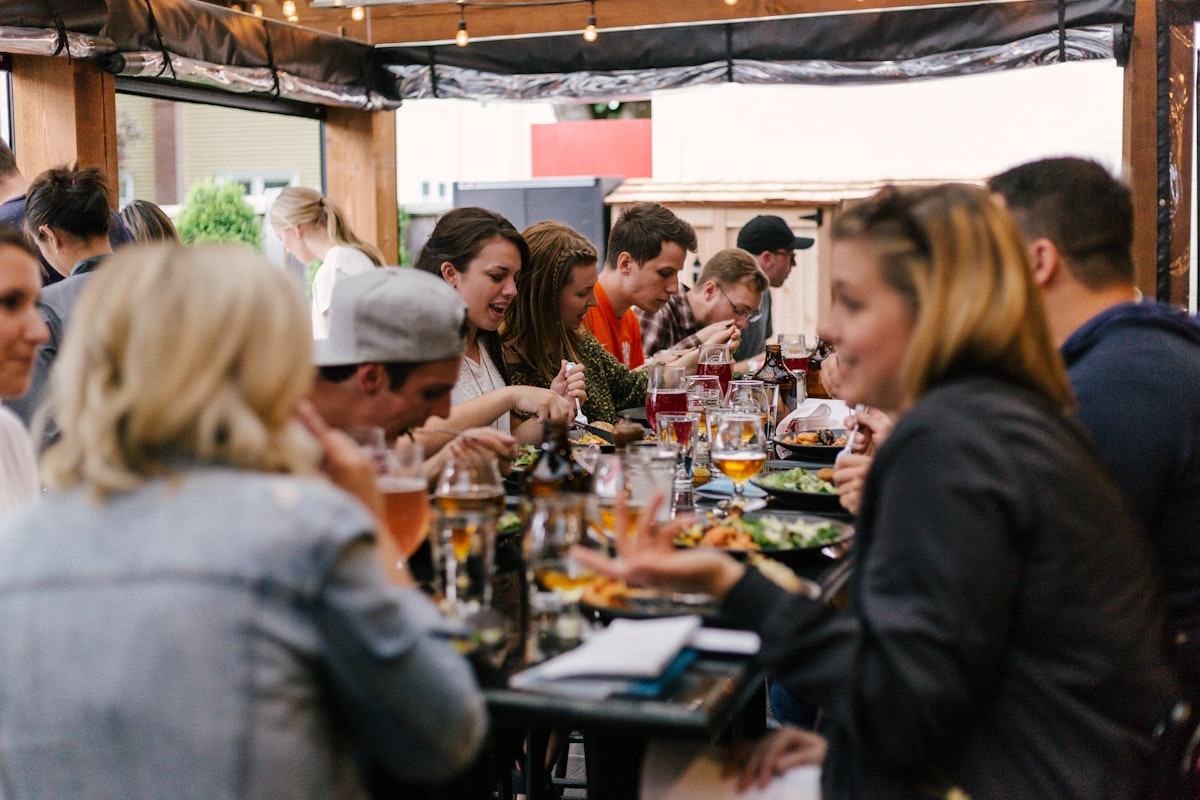
Barbecuing is the easiest way to get lots of people in one place: everyone brings something, nobody needs to be able to cook, and it lasts as long as it lasts. The only catch is that hardly anyone in the city has a garden. How to do it anyway – and what it usually fails on.
First find out where it’s allowed at all
In most cities, barbecuing in parks is only permitted in designated areas; elsewhere you risk fines, and in dry spells there are additional bans. The city or district administration usually keeps the approved sites as a list or map – some have to be reserved beforehand, others are “first come, first served”. That’s the only research you really need to do beforehand.
Sort out the group before the date, not after
The usual pattern: someone has the idea, three people like it, and the day before nobody knows who’s bringing charcoal. It’s enough to hand out three things beforehand – charcoal and firelighters, food for the grill, drinks. Who brings what should be written somewhere everyone can see it, not in four separate chats.
What’s really missing when something is missing
From the experience of many groups: tongs, bin bags, water for putting out the fire and washing hands, something to sit on. What mostly doesn’t get brought is vegetables – and then the vegetarian is left standing there with bread. One sentence when you’re sorting things out prevents that.
Sharing costs fairly, without the maths
Simplest of all: one person buys charcoal and the basic kit, and everyone else brings their own food. That way nobody has to collect money, and there’s no imbalance between those who eat a lot and those who want to spend little. If you want to buy together, keep the amount small and round up generously.
When barbecuing isn’t possible: same group, different format
No free spot, a ban because of dry weather, bad weather? The social side doesn’t depend on the grill. A picnic with food everyone brings works just as well, and so does a cooking evening at someone’s home – cooking groups often start exactly like that. What matters is that the date stays and doesn’t just get cancelled with nothing in its place.
Clearing up decides whether it happens again
Let the ashes cool and put them in the designated container, take your rubbish with you, wipe down the benches. That sounds like a lecture, but there’s a practical reason: groups that leave a spot clean get to come back – and the city keeps the spots open. Ten minutes at the end is the price.
From once to regularly
The most effective sentence comes while you’re packing up: “Same spot, in two weeks?” If you set the next date while everyone is still there, you don’t have to organise it laboriously from scratch. That’s how a nice evening becomes a group that’s still around next summer.
Frequently asked questions
Where can I have a barbecue if I don’t have a garden?
In most cities, only in designated areas in parks and green spaces. Elsewhere you risk fines, and in dry periods extra bans apply. The city or district administration usually publishes the approved spots as a list or map. Some have to be booked in advance.
How do I organise a barbecue with lots of people?
Assign three things beforehand: charcoal and firelighters, food to grill, drinks. Write down who brings what in one place everyone can see, not in four separate chats. That way everyone knows the day before what they need to do.
What do people forget most often at a barbecue?
Tongs, bin bags, water for putting out the fire and washing hands, and something to sit on. Vegetables are often missing too, and then the vegetarian is left standing there with bread. One sentence when you plan it prevents that.
How do we split the costs of a barbecue fairly?
The easiest way is for one person to buy the charcoal and basic kit while everyone else brings their own food. Then nobody has to collect money. If you want to shop together, keep the amount small and round up generously.
What do I do if barbecues are banned or the weather doesn’t play along?
Keep the group, change the format. A picnic with things everyone brings works just as well, and so does a cooking evening at someone’s home. What matters is that the date stays. The best thing is to set the next one while you’re packing up: “Same place, in two weeks?”
Who’s coming along to the barbecue area?
On Sponties you list your group as an activity – with place, time and number of places. Others sign up, and you see beforehand who’s coming. Free, ad-free and with no dating intentions.