


Summer slump: when everyone is on holiday — and you stay

July and August feel strangely empty for many people: friends are scattered, the city seems deserted — and so does your own calendar. Why the summer slump affects you more than you admit, and what really helps in these weeks.
Why summer, of all seasons, makes you lonely
We associate loneliness with November: grey, cold, dark early. Yet for many people high summer is the harder time. The reason is mundane: in summer everything that normally gives your week structure pauses. The sports class has a summer break, the regulars’ table is cancelled, your colleague is away for three weeks. What normally creates contact all by itself is suddenly shut down — and what’s left is lots of time with no fixed plans.
Comparison is the real problem
Then there’s the view of your phone. For six weeks your feed is made up of beaches, mountain summits and group photos in the evening sun. That distorts things enormously: you’re comparing your own perfectly ordinary Tuesday with the selected highlights of a hundred people. Anyone who feels bad during this time doesn’t have less of a life than others — they’re just seeing a snippet of theirs.
The city is emptier — but not empty
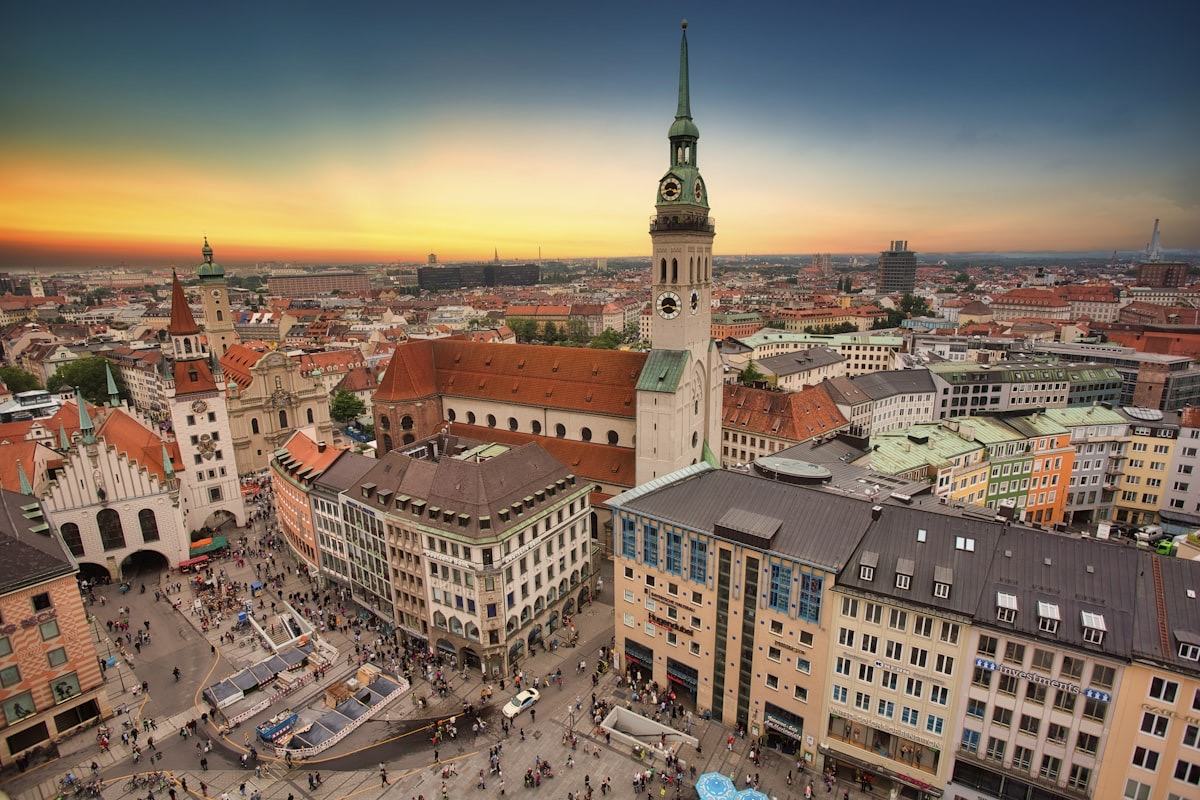
It feels as if everyone has gone. In fact, the majority stay: people who work in summer, whose budget doesn’t stretch to a holiday, who care for relatives or simply don’t feel like travelling. They’re sitting in the same empty city with the same problem — it’s just that hardly anyone says it out loud.
What really helps in these weeks
First: set a fixed anchor — one regular slot a week that always happens, such as a Thursday run. Second: plan small rather than big; two hours in the evening are easier to get than a whole day. Third: do something instead of just meeting up — a shared activity takes the pressure off having to carry a conversation. And fourth: invite people yourself. If you wait, you wait especially long in summer.
The summer slump ends — the connections stay
The nice side effect: if you take the first step now, you meet people who are just as open right now. The hurdle is lower than in the busy autumn, when every calendar is full again. What starts in these empty weeks often lasts well beyond September. And when everyone else comes back, it usually goes quiet again for a short while — a fixed date is worth having for that, too.
Frequently asked questions
Why do I feel lonely in summer?
In summer, everything that normally gives you structure pauses. The sports class takes a break, the regulars’ table is cancelled, your colleague is away. What’s left is lots of time without fixed plans. On top of that comes the look at your phone, which only shows you other people’s highlights.
What helps against the summer slump?
Four things: one fixed anchor per week, such as the Thursday running route, planning small rather than big, doing something together instead of just talking, and inviting people yourself. If you wait, you wait especially long in summer.
Is everyone really away in summer?
No. Most people stay in the city: people who work, whose budget doesn’t stretch to a holiday, who care for relatives or who don’t feel like travelling. They’re sitting in the same empty city and have the same problem. Hardly anyone says it out loud.
How do I deal with holiday photos in my feed?
Remind yourself what you’re seeing: you’re comparing your ordinary Tuesday with the hand-picked highlights of a hundred people. Anyone who feels bad doing that doesn’t have less of a life than others. They’re only seeing a snapshot of theirs.
Is it worth making new contacts in summer?
Yes. If you take the first step now, you meet people who are just as open right now. The hurdle is lower than in a packed autumn, when every diary is full again. What starts in the empty weeks often lasts beyond September.
You’re not the only one who stayed
On Sponties you’ll find people in your city who have time right now too — for an evening by the water, a stroll through the park or simply a coffee. Free, ad-free and for everyone 16+.