


Day trips without a car: how far public transport can take you

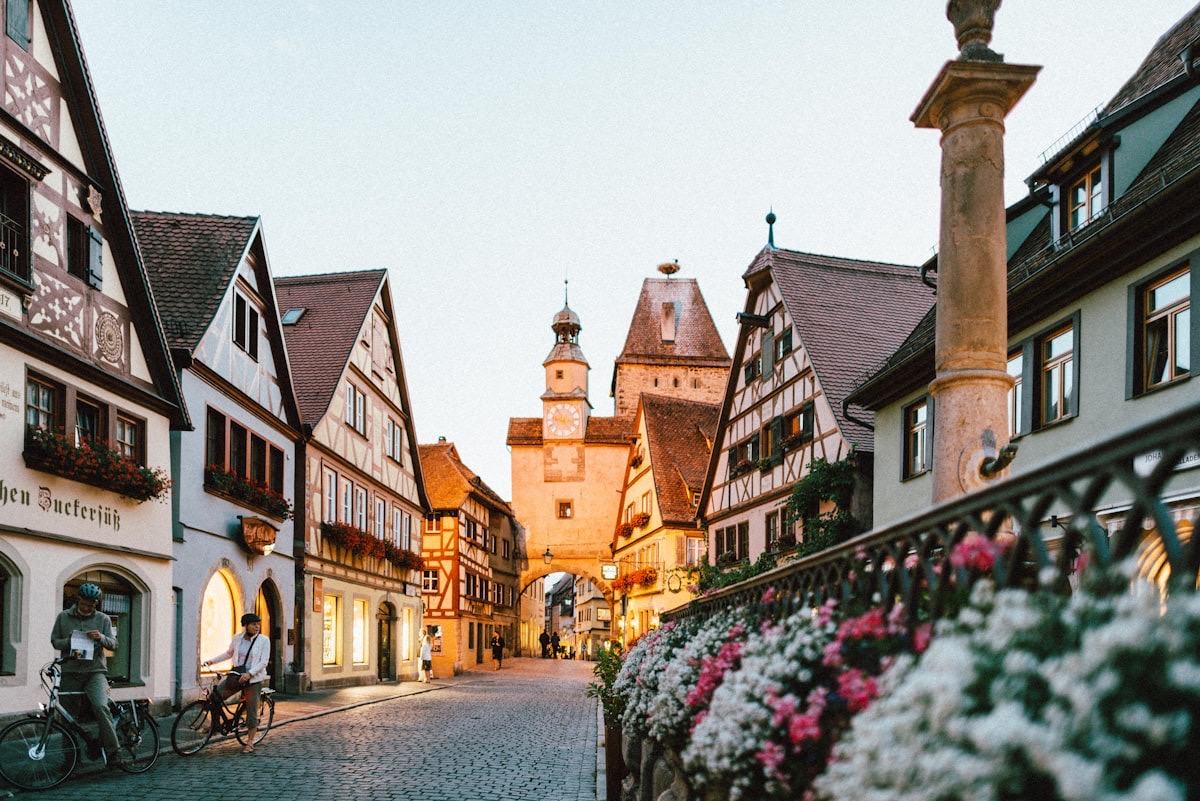
Not having a car is most noticeable at the weekend: all the nice destinations seem to be where no train goes. In fact, the radius is bigger than most people think — you just have to plan it differently from a car journey.
Count in time, not in kilometres
If you plan by car, you think in distances. Without a car only one thing counts: how long does the journey take, and how often do I have to change? Ninety minutes with one change makes a good day trip, even if the destination is only forty kilometres away. Two hours with three connections doesn’t, even if it were closer. Set yourself an upper limit for travel time and look for the destination afterwards — not the other way round.
The station is the destination, not the detour
The most reliable method: take a regional train line from where you live and see which places lie along it. Small towns on railway lines almost always have an old town, a museum, a café and a hiking trail — otherwise the line would never have served them. Rivers are especially rewarding: the Rhine, Elbe, Main, Neckar, Moselle and Danube are accompanied by railway lines over long stretches, so getting on and off at different places is possible.
Point-to-point hikes are the real advantage
With a car you always have to get back to the starting point — which gives you circular routes. Without a car you can start at A and finish at B. Those are exactly the nicer tours: from station to station, always straight ahead, without the need for a loop. How company comes about almost incidentally is described in the article Why you should hike to make friends.
The Deutschlandticket changes the sums
With a monthly public transport pass, the trip costs nothing extra. That takes the pressure off: if the day turns out so-so, it still wasn’t expensive, and the next attempt costs nothing either. If you’re looking for ideas for days with no budget, What to do at the weekend without money has more inspiration that combines well with a train ride.
Expect disruptions, plan the way back first
The uncomfortable truth about German public transport: the journey out almost always works, the way back sometimes doesn’t. So check first when the last connection back leaves, and make a note of the one before it. On Sunday evenings and on branch lines, services are sparse. A destination with an hourly connection is clearly preferable to one with a two-hour gap, even if it sounds less spectacular.
With one other person or a group, it becomes a different day
A train ride alone is transport; a train ride with three people is already part of the trip. The journeys there and back are the hours when people actually talk — time you lose when driving between the sat nav and the hunt for a parking space. How to find travel companions without knowing anyone is covered in Travelling alone? How to find company.
Frequently asked questions
How far can I get on public transport for a day trip?
Further than many think, if you count in time rather than kilometres. Ninety minutes with one change makes a good day trip, even at forty kilometres. Two hours with three connections doesn’t. Set yourself an upper limit for travel time and then look for a destination.
How do I find day-trip destinations I can reach without a car?
Take a regional train line from where you live and see which places lie along it. Small towns on railway lines almost always have an old town, a museum, a café and a walking trail. Rivers such as the Rhine, Elbe, Main, Neckar, Moselle and Danube are also followed by railway lines for long stretches.
Why are hikes without a car often nicer?
You don’t have to return to your starting point. With a car you get circular routes, without a car you start at A and finish at B. From station to station, without having to loop back: those are often the nicer tours.
How do I plan the journey back so I don’t get stranded?
First check when the last connection back leaves, and remember the one before it. The way there almost always works, the way back sometimes doesn’t. On Sunday evenings and on branch lines, services are sparse. A destination with an hourly connection is better than one with a two-hour gap.
How much does a day trip with the Deutschlandticket cost?
With a monthly local transport ticket, nothing extra. That takes the pressure off: if the day turns out so-so, it still wasn’t expensive, and the next attempt costs nothing either.
Find people for your trip
On Sponties you post your planned trip, and anyone who wants to come along signs up — you can see beforehand who’s joining. Free, ad-free and for everyone 16+.