


Setting off alone? How to find company for day trips

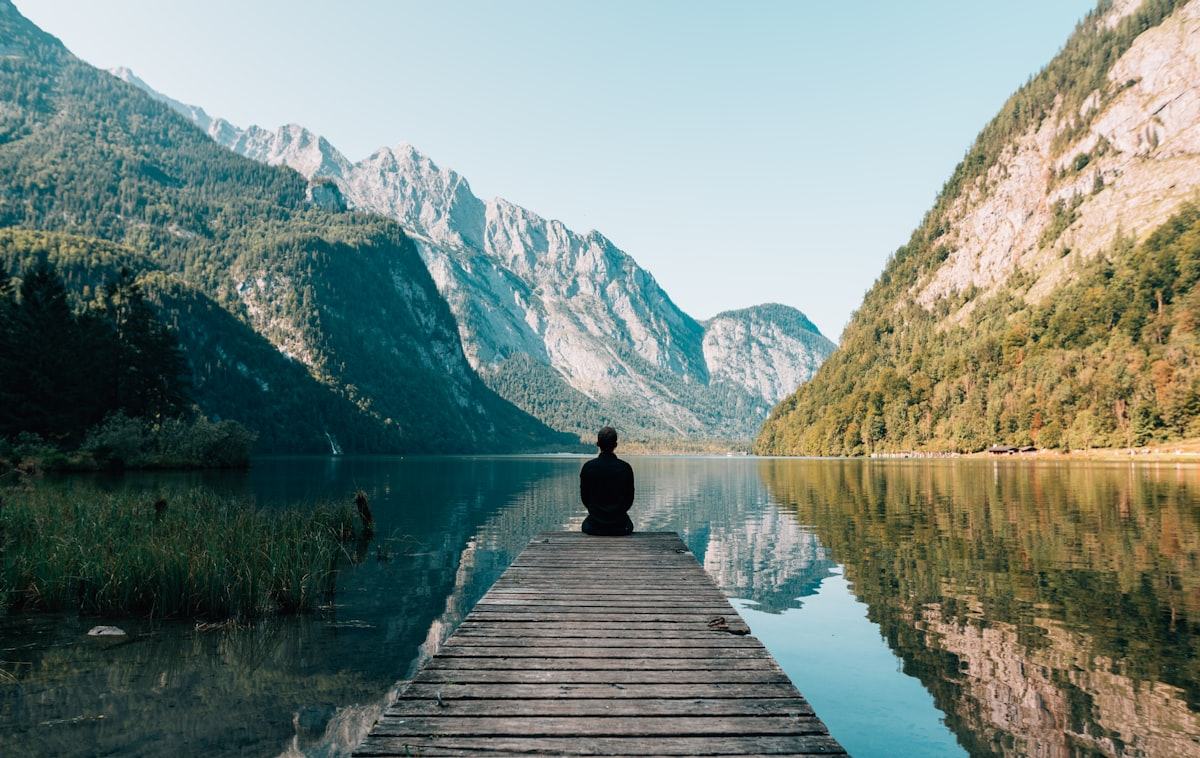
The lake an hour away, the hike in the next valley, the exhibition two cities over: the ideas are there — just nobody to come along. Here’s how to find people who will really be with you on your next trip.
Why trips with someone feel different
A coffee takes an hour, a day trip half a day. That’s exactly the difference: on the journey, while walking, in the queue, conversations happen that there’s never time for in a café. Many friendships don’t begin when you get to know each other, but on the way back — when everyone is tired and nobody has anything left to prove.
The most common mistake: planning too big
Booking a long weekend straight away with people you don’t know yet overwhelms both sides. Start small: half a day, a manageable hike, a swimming lake with a train connection. If it clicks, the bigger trip comes about by itself. If not, it was a nice afternoon — nothing more is at stake.
Be specific — vague invitations fizzle out
“We should do something sometime” leads nowhere. What works is a ready-made proposal: date, time, meeting point, rough duration, rough cost. You can answer that with a yes. That’s exactly what open activities are for — the key details are already there, you only have to say yes.
Sort out travel and safety beforehand
Agree early on how you’re getting there and who pays what: group ticket, car share with shared fuel costs, a time for the way back. And with people you don’t know yet: a public meeting point, a charged phone, tell someone where you’re going. That isn’t over-caution but normal preparation — after that you can enjoy the day in a relaxed way.
A trip turns into a habit
The second trip is much easier than the first: you know each other, the pace is sorted, someone already has an idea for next time. That’s how the groups come about that eventually set off every month — and it started with a single specific suggestion.
Frequently asked questions
How do I find someone to go on trips with?
Make a ready-made suggestion with a date, time, meeting point, rough duration and rough cost. People can answer that with a yes. With open activities, these details are already fixed, and all you have to do is say yes.
What makes a good first trip with strangers?
Something small: half a day, a manageable hike or a lake you can reach by train. Booking a long weekend is too much for both sides. If it works, the bigger trip comes along by itself later. If not, it was a nice afternoon.
Why do invitations like “We should do something sometime” fizzle out?
Because you can’t reply to them. Without a date, time and meeting point, it stays an empty phrase, and in the end nothing happens. A specific suggestion, on the other hand, is easy to accept or decline.
What should I sort out before a trip with people I don’t know?
Agree early on how you will get there and who pays for what: a group ticket, a car share with split fuel costs, a time for the way back. Choose a public meeting point, charge your phone and tell someone where you’re going.
How does a trip turn into a regular group?
The second trip is much easier than the first: you know each other, the pace is sorted, and someone already has an idea for next time. That’s how groups come about that head out together every month. It all started with one single specific suggestion.
The next trip is already coming up
In the topic world Trips & travel you’ll find day tours, hikes and city breaks near you — with people who had the same idea. Free, no ads and for everyone 16+.