


Lonely among millions: why the big city doesn’t connect people automatically

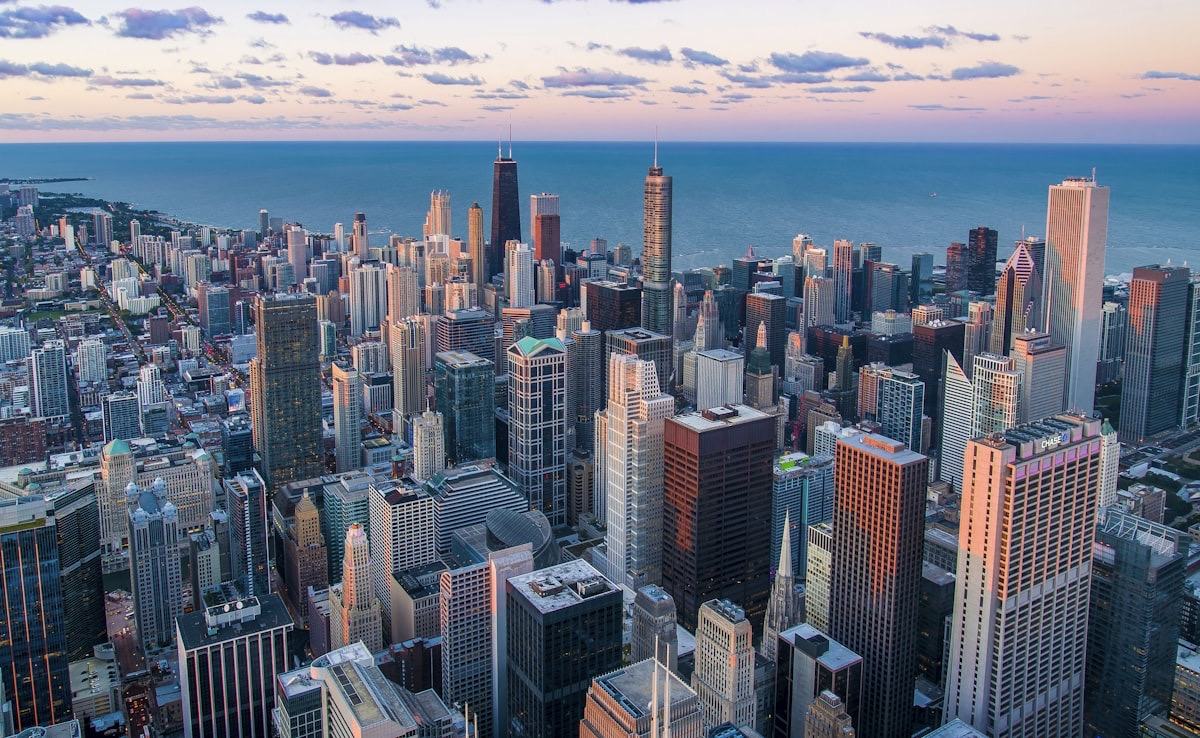
It sounds like a contradiction: nowhere do more people live in close quarters than in the big city — and yet city dwellers in particular report loneliness especially often. That’s not a personal failure, it has understandable reasons. And there’s something you can do about every single one of them.
Many faces, little encounter
In the city you encounter hundreds of people every day — but almost all of them remain strangers. Psychologists call this polite distance: you protect yourself from sensory overload by tuning each other out. For real connection you therefore need places and occasions where this tuning out explicitly doesn’t apply.
Cities are built for passing through
Big cities live on movement: people move in, move away, change jobs and neighbourhoods. Circles of friends therefore fall apart faster than in the countryside — and have to be rebuilt more often. That’s tiring, but it also means: a great many people around you are looking for a connection just as you are.
Anonymity has a good side
The same city that overlooks you also lets you start over: nobody knows your story, nobody bats an eyelid when you turn up to a running group on your own. In a big city it is completely normal to meet new people through platforms and groups – the barrier is lower than anywhere else.
Make the city small: your Kiez
Against anonymity, shrinking helps. Your home isn’t “Berlin”, it’s your neighbourhood: the baker, the park, the weekly market, the regular group. If you concentrate on a radius of twenty minutes, you meet the same faces again — and seeing each other again turns into familiarity. That’s exactly why Sponties first shows you what’s happening near you.
The first date beats any theory
In the end, exactly one thing helps against big-city loneliness: a concrete date with real people. A walk, a games night, an after-work coffee. Afterwards the city is still big — but it has started to get faces.
Frequently asked questions
Why are people in big cities so often lonely?
You meet hundreds of people every day, but almost all of them stay strangers. People protect themselves from sensory overload by tuning each other out. On top of that, people move in, move away and change jobs and neighbourhoods. As a result, circles of friends fall apart faster.
Is loneliness in a big city a personal failing?
No. There are understandable reasons for it, and it isn’t down to you. Many people around you are looking for a connection just as much as you are. Real connection needs places and occasions where tuning out explicitly doesn’t apply.
How do I meet people in an anonymous city?
Anonymity has a good side: nobody knows your story, and nobody is surprised if you turn up at a running group on your own. Meeting new people through platforms and groups is completely normal in a big city. The hurdle is lower than elsewhere.
What is the point of focusing on your own neighbourhood?
Your home isn’t the whole city, but your neighbourhood: the baker, the park, the weekly market, the regular group. If you focus on a radius of twenty minutes, you keep meeting the same faces. Seeing each other again turns into familiarity.
Where do I start against loneliness in a big city?
With a specific date with real people: a walk, a games night, an after-work coffee. That is more effective than any amount of thinking beforehand. Afterwards the city is still big, but it has started to get faces.
Your city has faces
On Sponties you’ll find people from your neighbourhood who, just like you, are looking for real encounters — free and uncomplicated.