


Meeting people in a small town: less choice, shorter distances

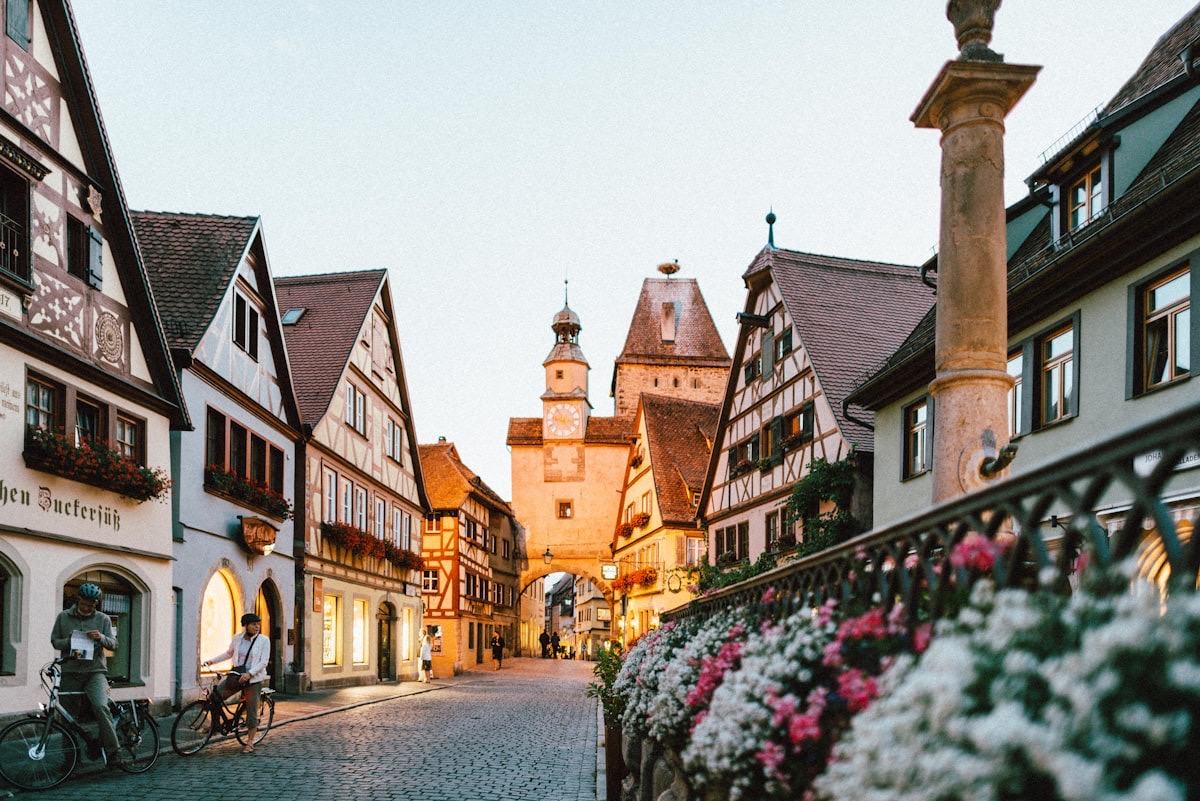
In a big city there are ten options every evening and often still nobody to go with. In a small town it is the other way round: little choice, but you keep seeing the same faces. The first is a disadvantage, the second an underrated advantage — and it determines how you go about things here.
Seeing each other again beats choice
Friendship doesn’t come from the number of encounters, but from repeating them with the same people. That is exactly what is easier in a small town: if you have been to the sports club once, you meet the same people in the supermarket the following week. In a city of millions you never see each other again after the course. The smaller choice is therefore not a shortcoming, but the reason things often go faster here.
Clubs here are not a niche but the infrastructure
Where there are no trendy bars and no open meetups, social life runs through clubs: sports, fire brigade, music, shooting clubs, allotments, choirs, local heritage groups. You don’t need to be particularly sporty or particularly musical — almost everywhere they need people who muck in. A phone call to the committee is usually enough; there are rarely formal sign-up portals, but rarely does anyone say no.
The surrounding area is bigger than the town
If you only look at your own town, you will think there is nothing on offer. A realistic radius is twenty to thirty minutes by car, and within it there are usually several villages, a regional centre and its clubs, courses and events. If you factor in the drive, you suddenly have many times the choice — and there you meet others who have travelled just as far.
Places with no sign-up: fire brigade, market, workshop, volunteering
Volunteer fire brigade, weekly market, repair café, library, food bank, village festival preparations: here you can get involved without a form and without prior experience, and you work side by side instead of sitting opposite each other. Doing things together lowers the barrier to conversation considerably — more on this in Volunteering and friendship.
Standing out once is enough, and that is a good thing
If you are new, you get noticed — many people find that unpleasant at first. In practice it means you don’t have to explain yourself three times. After the first appearance, half the club knows that someone has moved in, and the rest ask on their own. In a big city the same visibility takes months.
When everyone has known each other since school
The most common objection, and it is true: established groups seem closed. But they are rarely closed out of rejection, more out of habit — nobody thinks of bringing someone along when the same eight always turn up. What helps is the second and third encounter: the first time you are the new one, by the third time you belong. Anyone who gives up after one evening has left the group at the only point where it was really closed.
And if nothing is really happening
Then the town isn’t too small, the date is missing. A Sunday-morning walk, a games night, a run — for something like this you don’t need an organiser or rooms, just someone who names a time. In small places this often has a stronger effect than in cities, because word gets around faster.
Frequently asked questions
How do you meet new people in a small town?
Through places with built-in repetition: clubs, the volunteer fire brigade, the weekly market, the repair café, the library, village festival preparations. Where there are no trendy bars and open meetups, social life runs through clubs — here they are not a niche but the infrastructure.
Is it harder in the countryside than in a big city?
Different, not harder. In a big city there are ten options every evening and often still nobody to go with. In a small town the choice is smaller, but you keep seeing the same faces — and repetition is exactly what friendships grow from.
What if everyone has known each other since school?
Established groups seem closed, but are rarely closed out of rejection — mostly out of habit, because nobody thinks of inviting someone. If you are new, you stand out, and that is an advantage: you don’t have to explain yourself three times.
How wide should you draw your radius?
A realistic radius is twenty to thirty minutes by car. If you only look at your own town, you will think there is nothing on offer; within that radius there are usually several places with their own clubs and events.
And if nothing is really happening?
Then the town isn’t too small, the date is missing. A Sunday-morning walk, a games night or a run needs no infrastructure — just someone who sets it up.
Set the date that doesn’t exist yet
On Sponties you enter your idea with place, time and number of places — even in the smallest town. Through the radius, people from neighbouring villages can find you too. Free, ad-free and with no dating intentions.