


Sport for meeting people: what really matters

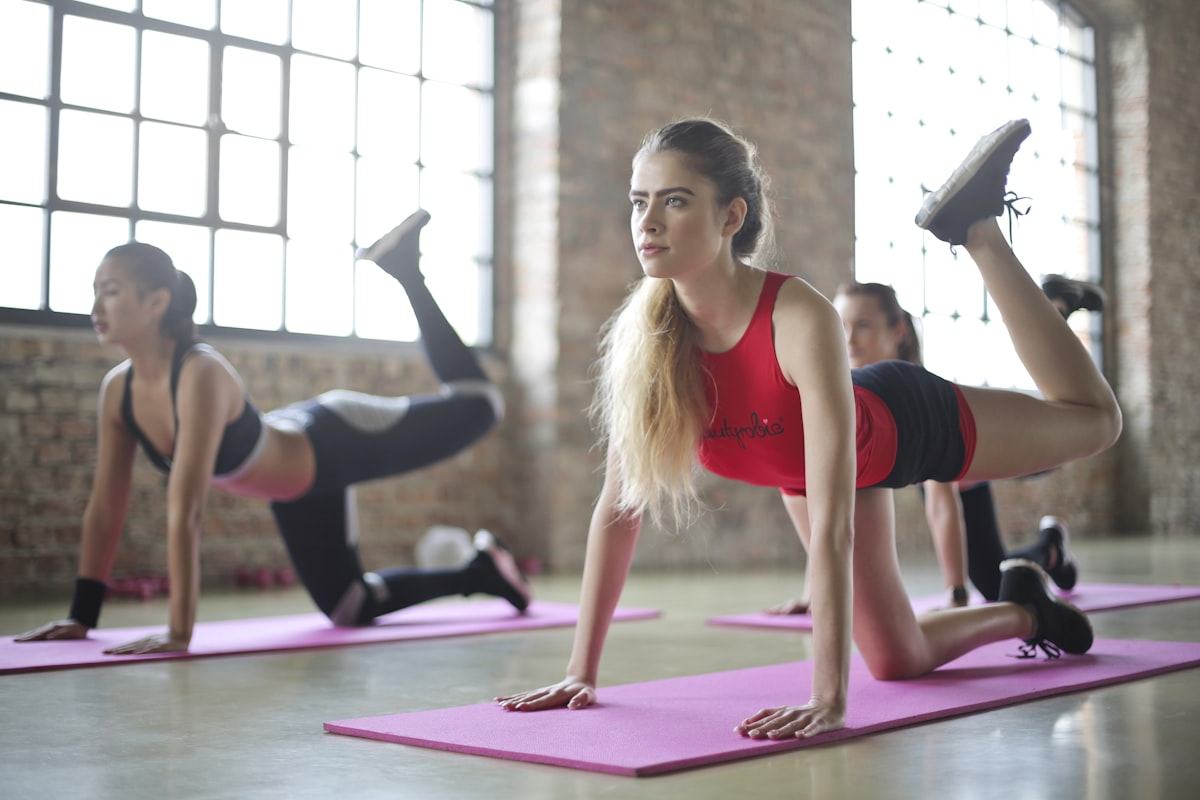
Sport is seen as the safe route to new people. Except that isn’t true of every sport: you can go to the same gym for two years and not know anyone there. What matters isn’t that you exercise — it’s the format.
The difference lies between side by side and together
On the machine, on the treadmill, in the pool, you train side by side: same hall, separate heads, headphones on. That’s good for your back and does almost nothing socially. Sport becomes a connector where it forces togetherness — because you agree things, count together, wait for each other or spot each other. So before you sign up, simply ask yourself: do I have to talk to someone here for this to work? If the answer is no, it won’t happen by itself.
The formats that work most reliably
Team sports come first: volleyball, football, basketball, hockey — nothing works without agreeing things. Next is anything with partner changes: dance classes, badminton, table tennis, bouldering, where you show each other routes and watch each other. Then groups with a shared goal and a shared pace: running clubs, cycling groups, rowing clubs, hiking groups. We’ve written separately about why hiking, of all things, works so well — the mechanics behind it apply to all these formats.
Fixed dates beat free time slots
A class that always takes place on Tuesdays at 19:00 puts you together with the same faces, week after week. That repetition is the real active ingredient: familiarity doesn’t come from one good conversation, but from many short ones. A ten-session card you use whenever you like saves money and costs you exactly that. If you can choose between flexibility and a fixed date, take the fixed one.
Beginners’ classes are the socially better classes
In an ongoing group you’re the new one; in a beginners’ class everyone is new. Nobody can do anything, everyone embarrasses themselves a little, and that bonds people faster than any skill. The same goes for sports that hardly anyone here has done since childhood — bouldering, padel, ultimate frisbee, disc golf. There, starting at thirty is just as normal as starting at eighteen.
The twenty minutes after training decide
The sport itself creates the opportunity; what happens afterwards turns it into a connection. Anyone who showers and leaves right away has trained. Anyone who hangs around by the side for another ten minutes, helps tidy up or comes along for a drink becomes part of the group. If the question of a drink makes you uncomfortable: get-togethers without alcohol are more the rule than the exception in sport.
When no club nearby fits
Not every city has the class you’re looking for, and not everyone wants to commit for a year. Then set up the session yourself: a running group on Sunday morning, an after-work bike ride, an open volleyball game in the park. In the topic world Sport & exercise you can see what’s already happening near you — and what’s still missing.
Frequently asked questions
Which sport is good for meeting people?
Anything that forces you to interact. Team sports such as volleyball, football or basketball work best. Next come sports with partner changes such as dancing, badminton or bouldering, and groups with a shared pace such as running groups, cycling groups or hiking groups.
Do you meet people at the gym?
Rarely. At the machines and on the treadmill you train side by side, each in your own head and with headphones. Before you sign up, ask yourself: do I have to talk to someone here for this to work? If the answer is no, it won’t happen by itself either.
Are beginner classes better for finding your place?
Yes. In an ongoing group you’re the new one, in a beginner class everyone is new. Nobody can do anything yet, everyone embarrasses themselves a little, and that bonds you. The same goes for sports like bouldering, padel, ultimate frisbee or disc golf, which you can still take up at thirty.
Why are fixed times better than flexible ones?
A class that always takes place on Tuesdays at 19:00 brings you together with the same faces week after week. Familiarity doesn’t come from one good conversation but from many short ones. A ten-visit pass that you use whenever you like takes away exactly that.
What do I do if there’s no suitable club nearby?
Set up the group yourself: a running group on Sunday mornings, an after-work bike ride or an open volleyball game in the park. In the Sport & exercise topic world you can see what’s already going on near you and what’s still missing.
Don’t exercise alone
On Sponties you’ll find running groups, classes and open sessions near you — and you can see beforehand who’s coming. Free, ad-free and for everyone 16+.